How Weather Patterns Affect Roofing Companies

Weather affects roofing companies because it changes what homeowners notice, when they search, and how quickly they need help. A roof that felt like a future project can become urgent after heavy rain, hail, high winds, snow, ice, or extreme heat. Those shifts affect more than the work schedule. They shape local search behavior, service demand, ad costs, lead quality, and follow-up.
For roofing contractors, the real opportunity is learning how to plan around those shifts before the phones get busy. A strong strategy from your roofing digital marketing agency should account for seasonal patterns, storm-related searches, local climate concerns, and the questions homeowners ask before they trust someone with their roof.
This guide explains how weather affects roofing companies and how roofers can turn those patterns into smarter SEO, PPC, content, tracking, and intake.
Why does weather matter so much for roofing companies?
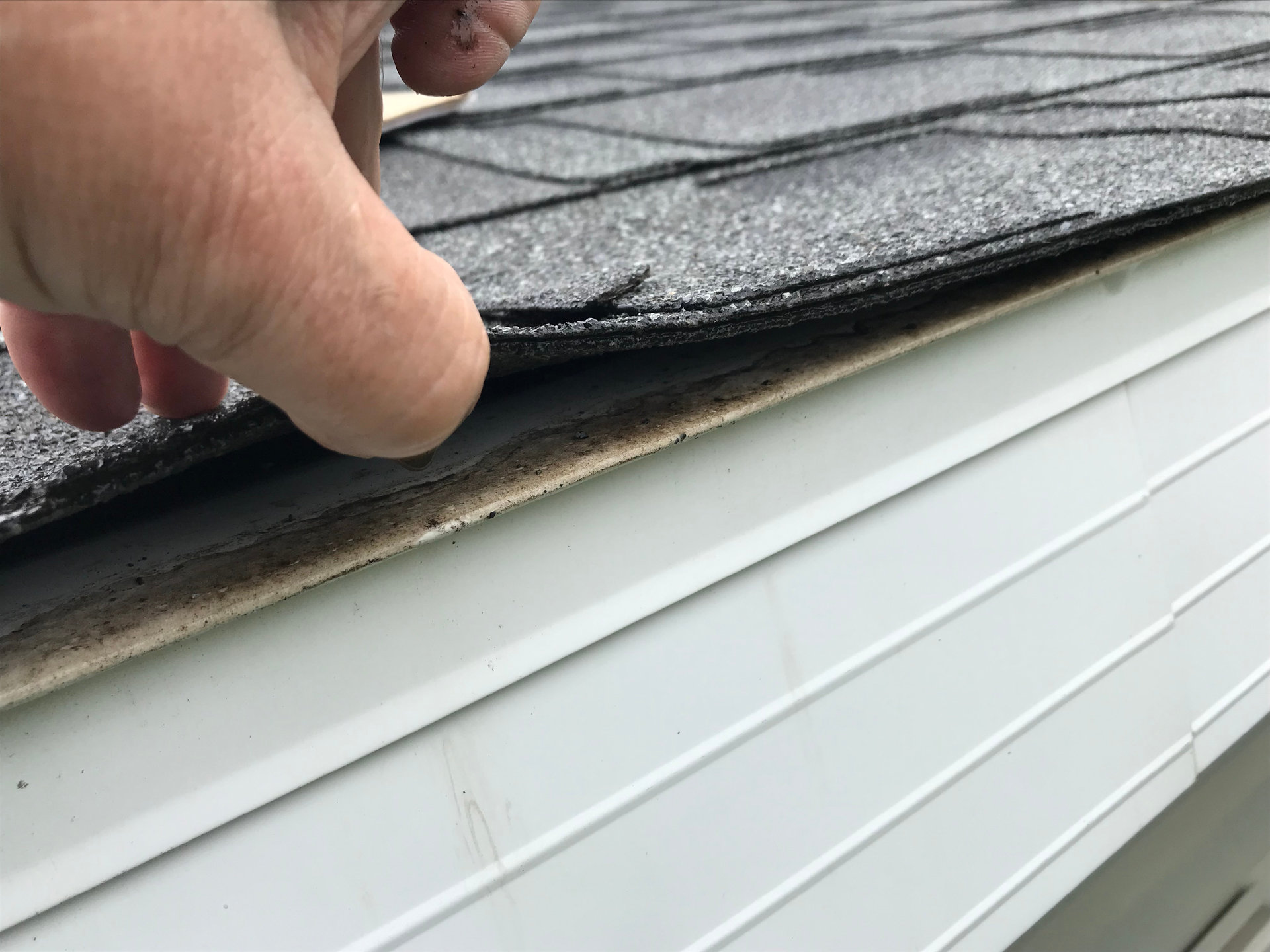
Weather matters because it changes the homeowner’s problem, timeline, and level of urgency. A planned roof replacement lead may take weeks to compare materials, warranties, photos, financing, and estimates. A leak lead after heavy rain may call the first contractor who answers clearly.
That is why digital marketing for roofing companies should reflect real conditions in the market. Weather can change which services people search for, what kind of content they need, and how much proof they want before calling.
1. Weather changes what homeowners notice first
Most homeowners search when something makes the roof feel relevant.
1. After heavy rain
The concern is usually water. Homeowners may notice ceiling stains, dripping, damp drywall, wet insulation, or moisture around skylights and vents.
2. After high winds
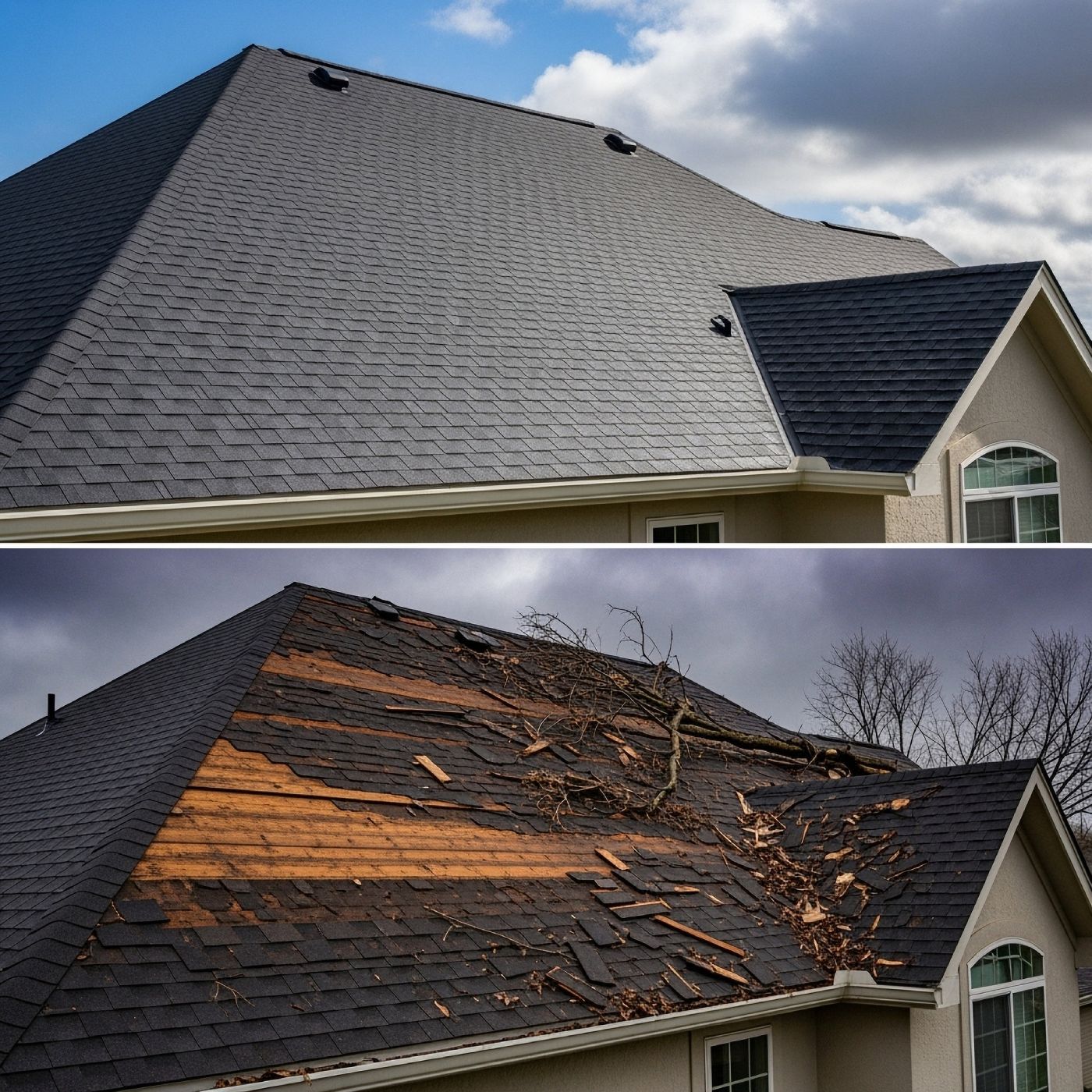
The concern is often exposure. Homeowners may see shingles in the yard, loose ridge caps, fallen branches, or damaged flashing.
3. After hail
The concern is usually uncertainty. The roof may look fine from the ground, but homeowners may see dents on gutters, damaged vents, or roofers inspecting nearby homes.
2. Weather changes which proof matters
A planned replacement lead may care about curb appeal, shingle colors, and warranty options. A storm lead may care more about inspection experience, emergency response, documentation, and proof that the company has handled similar damage.

How does weather change roofing search behavior?
Weather changes roofing search behavior by turning broad roof concerns into specific questions. People usually search based on what they just saw, heard, or experienced.
This is where roofing company SEO needs strong semantic coverage. A roofing website should answer the main service question, then cover the related concerns that come up after rain, hail, wind, or seasonal changes.
1. How does heavy rain change roofing searches?
Heavy rain creates leak-related searches because homeowners can often see the problem inside the home. They may not know where the leak starts, but they know they need help.
What roofing content should answer
Rain-related content should explain safe first steps, what the roofer will inspect, and why the visible stain may not sit directly below the leak source. It can also name common problem areas, such as valleys, flashing, pipe boots, skylights, chimneys, vents, and low-slope sections.
2. How does hail change roofing searches?
Hail creates inspection-focused searches because damage is not always obvious from the ground. Many homeowners search because they heard hail hit the roof, saw a local storm report, noticed roofers nearby, or found dents on gutters and soft metals.
What roofing content should answer
Hail content should explain what a professional inspection includes and why ground-level checks have limits. It should also explain how photos, notes, and condition reports help the homeowner understand the roof without creating panic.
3. How does wind change roofing searches?
Wind creates searches around missing shingles, lifted materials, exposed roof areas, and possible leaks. The National Roofing Contractors Association notes that wind damage can begin around roof edges, where loosened materials may be lifted further by wind pressure and suction.
What roofing content should answer
Wind-related content should explain why small visible damage can still matter. A missing shingle, lifted edge, or damaged flashing area may expose the roof to future water entry.
4. How does heat change roofing searches?
Heat usually creates slower, research-based searches. Homeowners may connect attic temperature, roof age, ventilation, roof color, or energy comfort to the condition of the roof. Heat-related content can support replacement planning, ventilation upgrades, material comparisons, and long-term maintenance.
5. How do hurricanes change roofing searches?
Hurricanes and tropical storms create some of the most urgent and competitive roofing searches, especially in markets where homeowners expect high winds, wind-driven rain, fallen debris, and post-storm inspection needs. Typical roofing company marketing in Florida is geared around more than normal seasonal demand. It has to account for hurricane preparation, storm recovery, insurance-related questions, emergency repairs, and the trust concerns homeowners may have after major weather events.
What roofing content should answer
Hurricane-related content should explain what homeowners can check safely from the ground, when to schedule a post-storm inspection, how wind and rain can affect shingles, flashing, gutters, and roof edges, and what documentation may help after storm damage. It should also reassure homeowners that the roofing company is local, experienced and responsive.
Which weather events create the strongest roofing leads?
The strongest roofing leads usually come from weather that makes the roof feel damaged, exposed, unsafe, or close to failure. Hail, heavy rain, wind, and hurricane conditions can all create leads, but each one creates a different type of lead.
For roofing lead generation, that difference matters. A hail inspection lead does not behave the same way as an active leak lead. A strong marketing system should treat them differently.
1. Why does hail create so many roofing leads?
Hail can create a large number of inspection requests because it affects whole neighborhoods at once. Even when the roof looks normal from the street, homeowners may worry about hidden damage.
What roofers should explain
A good hail page or blog section should explain why damage may require a close inspection, what roofers check beyond shingles, how documentation photos are used, why the homeowner should stay off the roof, and what happens after the inspection.
This is where storm damage roofing leads can be discussed naturally. Hail often creates a sudden wave of calls, and those calls need clear intake, scheduling, and follow-up.
2. Why does heavy rain create urgent roofing calls?
Heavy rain creates urgent calls because homeowners can see water entering the home. The problem feels immediate, even if the roof issue started long before the storm.
What roofers should explain
Rain content should explain what to do safely before help arrives, why leak tracing takes careful inspection, which roof areas commonly fail during heavy rain, when temporary protection may be needed, and why small leaks should not be ignored.
3. Why does high wind create repair demand?
High wind creates repair demand because homeowners may see the damage from the ground. Missing shingles, loose flashing, damaged ridge caps, and fallen branches make the roof feel exposed.
What roofers should explain
Wind content should explain why missing shingles should be checked before the next rain, how roof edges can become vulnerable, whether a section repair may be possible, and how wind damage differs from normal roof aging.
4. Why do snow and ice matter for roofers?
Snow and ice create winter-specific questions around ice dams, leaks, ventilation, gutters, and freeze-thaw cycles. Winter content should answer why ice dams form, why leaks may appear during thaw cycles, and when spring replacement planning makes sense.
How does seasonality affect roofing lead flow?
Seasonality affects roofing lead flow by changing which services homeowners care about at different points of the year. Most roofing companies have busy periods, slower periods, storm seasons, and planning seasons.
Seasonal roofing marketing should reflect the company’s real climate and production calendar. A roofer in Florida, Texas, Colorado, Maine, and Minnesota will not have the same year.
1. What roofing leads come in during spring?
Spring often brings inspection requests, replacement planning, storm preparation, and exterior home projects. It is a good time to refresh service pages, publish inspection content, prepare PPC campaigns, update project photos, and promote roof planning before the schedule gets full.
2. What roofing leads come in during summer?
Summer can bring hail, wind, heavy rain, heat concerns, and high call volume. In many markets, it is both a storm season and a replacement season, so marketing should focus on response speed, storm landing pages, Google Business Profile updates, and call handling.
3. What roofing leads come in during fall?
Fall often creates pre-winter urgency. Homeowners want roof issues handled before colder weather, holidays, snow, or heavy seasonal rain. Fall content should help them make confident decisions around timing, materials, financing, and project scheduling.
4. What roofing leads come in during winter?
Winter can slow replacement work in colder markets, but it does not remove roofing searches. Homeowners may still need help with leaks, ice dams, storm damage, and planning for spring replacement.
How should roofers adjust SEO before storms or seasonal shifts?
Roofers should adjust SEO before storms or seasonal shifts by building pages that answer local, seasonal, and service-specific questions before homeowners urgently need them. Search visibility takes time, so the best preparation happens early.
Local SEO for roofers should connect service pages, city pages, weather concerns, project proof, and homeowner questions into one useful system.
1. How should roof repair pages cover weather concerns?
A roof repair page should explain more than the fact that the company fixes roofs. It should help homeowners understand common problems that lead to repair calls, including leaks after heavy rain, missing shingles after wind, flashing issues, vent problems, emergency repairs, and inspections.
Why this works
This structure gives search engines and homeowners more context. It also helps the page answer several related searches without sounding like a keyword list.
2. How should roof replacement pages use seasonal context?
A roof replacement page should help homeowners understand when replacement makes sense and how timing affects the project. Useful sections can cover roof age, weather-related wear, local material choices, seasonal scheduling, and what homeowners should know before an estimate.
3. How should service-area pages mention local weather?
Service-area pages should show that the roofing company understands the local market. That may include coastal exposure, hail risk, high heat, heavy rain, tree coverage, older homes, or freeze-thaw cycles.
Weather creates interest, but proof helps convert that interest into a call. That is why roofers should also think about using before/after photos to turn completed roofing jobs into lead magnets.
How does query fan-out change roofing content strategy?
Query fan-out changes roofing content strategy by making one topic branch into related questions, subtopics, and follow-up concerns. For roofers, that means one article about weather should go beyond roof damage and cover search behavior, local SEO, PPC, seasonality, intake, safety, proof, and tracking.
Google’s Search Central documentation says AI features may use query fan-out to issue multiple related searches across subtopics and data sources. For roofing companies, the content-side takeaway is clear: a strong article should answer the full journey around the topic, not one narrow keyword.
1. What is the main query?
The main query is simple: How do weather patterns affect roofing companies? A thin answer would only say that hail, rain, wind, and snow can damage roofs. That is true, but it does not fully answer the business and marketing side of the topic.
2. What related questions should the content answer?
A stronger article should answer related questions like how weather changes roofing lead volume, why storms affect homeowner search behavior, which weather events create urgent leads, how roofers should adjust local SEO before storm season, how weather affects roofing PPC, and how roofers should track weather-related calls.
3. What makes roofing content more AI-search-friendly?
AI SEO for roofers should stay practical. It is not only about adding schema, headings, or keywords. The content needs direct answers, clear subtopics, local context, service examples, internal links, project photos, and real proof.
How should roofers use Google Business Profile and storm content?
Roofers should use Google Business Profile and storm content by keeping services, photos, posts, reviews, and contact details current before weather creates a rush. For many homeowners, the local profile is one of the first places they compare roofing companies.
A Google Business Profile for roofers should be treated as an active local asset. Business Profile performance reporting can show how people find a profile and what actions they take, including views, calls, clicks, direction requests, messages, and bookings.
1. What should roofers update before busy weather?
The profile should clearly show the services homeowners may need during seasonal or storm-related searches, such as roof repair, roof replacement, storm damage repair, emergency roofing, roof inspections, commercial roofing, metal roofing, and gutter services.
2. What photos should roofers add?
Photos help homeowners see that the company is active, local, and experienced. Useful photo types include completed roof replacements, storm repair projects, crew photos, branded trucks, inspection photos, clean finished jobs, and commercial roofing work.
3. What should roofers publish around storms?
Before storms, roofers can publish preparation content. During storms, the message should focus on safety. After storms, content should explain inspections, documentation, emergency protection, and the next step.
Good post-storm topics
Use topics like what to do after high winds damage your roof, how to tell whether hail may have damaged shingles, why storm leaks may start away from the visible stain, and what photos to take from the ground before calling.
How do weather patterns affect roofing PPC and intake?
Weather patterns affect roofing PPC by changing search volume, competition, cost per click, and conversion urgency. After a storm, more homeowners may search for roof repair, inspections, and emergency help while more contractors increase ad spend.
That can make paid leads more expensive. It can also reveal whether the landing page and intake system are strong enough to handle urgent traffic.
1. How should PPC campaigns match the weather problem?
Rain campaigns should focus on leaks, active water entry, and quick inspection scheduling. Hail campaigns should focus on inspections and documentation. Wind campaigns should focus on missing shingles, lifted materials, branches, damaged flashing, and exposed roof areas.
Biggest PPC mistake
The biggest mistake is sending urgent traffic to a generic homepage. A homeowner searching after a leak, hailstorm, or wind event needs a page that matches the problem.
2. Why does response speed matter after storms?
Response speed matters because urgent roofing leads are easy to lose. A homeowner with water entering the home, shingles in the yard, or visible damage will often contact the contractor who answers first and explains the next step clearly.
Useful intake questions
Ask what kind of damage the homeowner is seeing, whether water is entering the home, when the storm or leak happened, whether they can see missing shingles or branches, whether they have ground-level photos, and whether they need inspection, temporary protection, or repair.
3. How can automation help?
Automation can send confirmations, reminders, review requests, and photo upload links. It should support the team, not replace the human response. Homeowners want speed, but they also want reassurance.
How can roofers use weather data without sounding like storm chasers?
Roofers can use weather data well by staying specific, helpful, and calm. Weather-based marketing should help homeowners understand risk, safety, inspection timing, and next steps.
NOAA’s Storm Events Database documents significant weather events, including storms that can involve property damage, injuries, disruption to commerce, unusual weather, and record conditions. For roofing companies, this kind of data can support smarter service-area planning and more relevant storm-season messaging.
1. How can weather data support better content?
Weather data can help roofers understand what local homeowners are likely to worry about. A hail-heavy market needs different content than a coastal market, a hot desert market, or a cold region with ice dams.
Better messaging
Helpful messaging might explain that high winds can loosen shingles around roof edges, hail damage is not always visible from the ground, or active water entry should be handled safely before the roof is inspected.
2. What should roofers avoid after storms?
Homeowners are often cautious after storms because storm-chasing contractors and high-pressure offers are common concerns. The Federal Trade Commission advises consumers to be careful after extreme weather and disasters because unlicensed contractors and scammers may promise repair help and leave people worse off.
Avoid messaging that feels like pressure
Avoid vague scare tactics, “act now or lose everything” language, unclear damage claims, missing inspection details, no local proof, and no clear company information. The stronger approach is simple: explain what may have happened, what the homeowner can check safely, and what happens after they call.
What should roofing companies track by season and weather event?
Roofing companies should track lead source, weather trigger, service type, call outcome, inspection booking rate, estimate close rate, revenue, reviews, and follow-up performance. Weather-related marketing works best when the company can see which interest turned into real business.
Lead volume alone can be misleading. A storm may create many calls, but some leads may be outside the service area, too small for the company, or poorly matched to its services.
1. Which lead sources should roofers track?
Roofers should know whether a lead came from organic search, Google Business Profile, PPC, Local Services Ads, social media, email, referral, direct website visits, or retargeting campaigns.
2. Which weather triggers should roofers track?
Useful tags include hail, wind, heavy rain, hurricane or tropical storm, snow or ice, heat or ventilation concern, seasonal inspection, active leak, emergency repair, and replacement planning.
3. Which service outcomes should roofers track?
Each lead should connect to a result, such as inspection only, repair, replacement, emergency protection, commercial service, gutter work, no sale, or out of service area.
4. Which proof assets should roofers collect?
Every completed job can create marketing material. Useful assets include before photos, process photos, after photos, project notes, review requests, customer feedback, and service-area details.
These assets make future campaigns, service pages, and AI SEO for roofers stronger because the company has real examples to support the content.
Looking for a roofing digital marketing agency that understands weather-driven demand?
RoofingROI Labs helps roofing companies grow with data-backed SEO, AI SEO, PPC, website design, content, and tracking built around how homeowners actually search. With 200+ satisfied clients, 15 years in the industry, and an average client revenue increase of 40%, our team understands how to turn seasonal demand, storm-related searches, and local visibility into real opportunities.
From our Delaware office to roofing markets across the U.S. and Canada, we build strategies focused on qualified leads and booked projects. Call us to schedule a strategy session and see what your roofing marketing could be doing better.